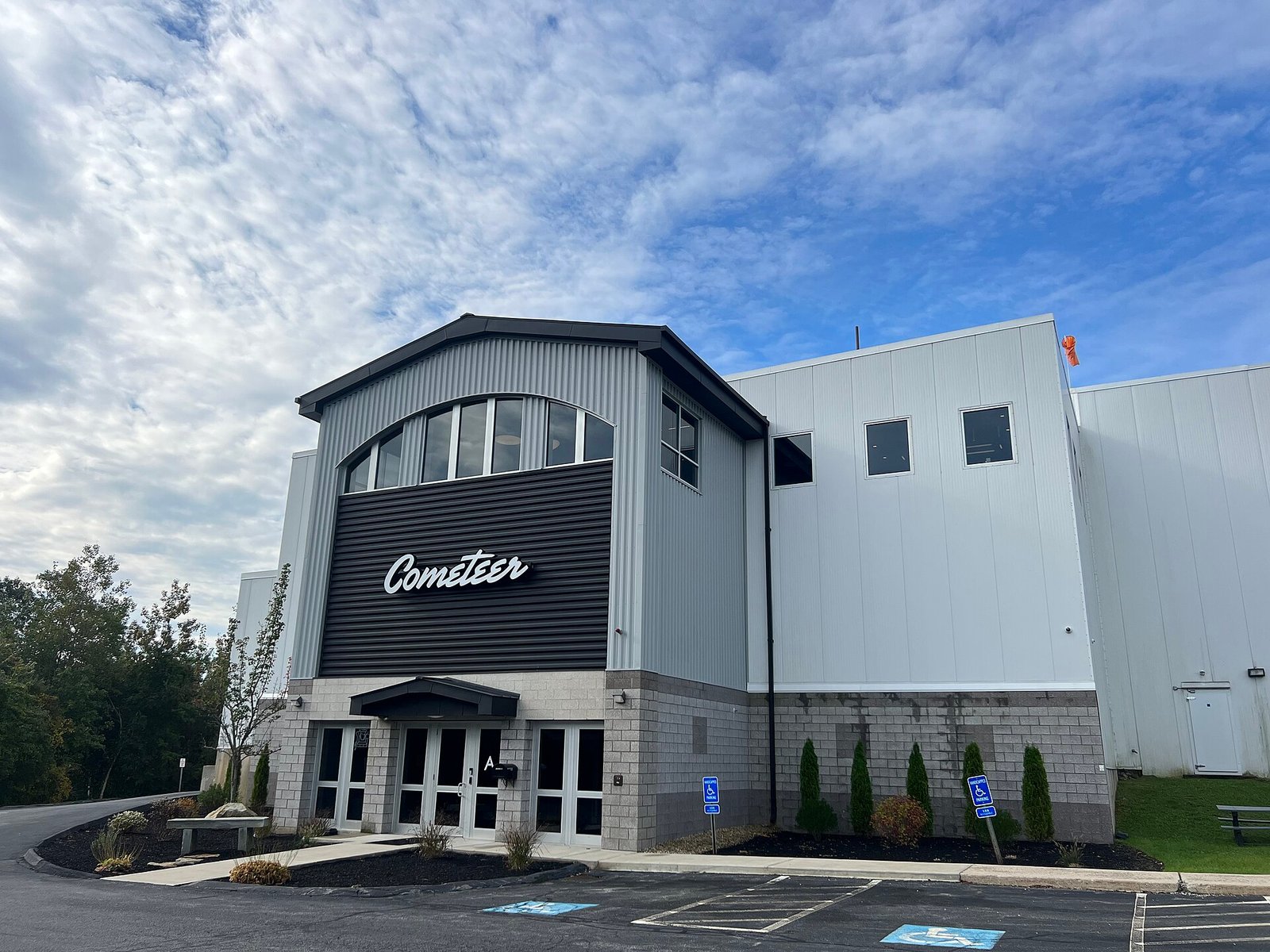
Coffee marketing has long leaned on the idea that fresh is best. Cometeer, a Massachusetts company that sells flash-frozen coffee concentrate in aluminum capsules, has had to argue the opposite. A case study published by the creator-marketing outlet behind the source text, which was written around the brand, describes how the company used sampling, experts and creators to do it.
A product that needed tasting first
Cometeer works with specialty roasters, brews their coffee into a concentrate and freezes it with liquid nitrogen. Customers melt the contents into hot water or milk, or use it for iced drinks, with no grinder or espresso machine. Co-founder Matthew Roberts said on the Subscription Scaled podcast, “Everyone can melt the perfect cup. Not everyone can brew the perfect cup.” He argued the brand should show people how to make their drinks and let them taste the coffee before explaining the technology.
Pop-ups, taste tests and kiosks
In September 2022, after Goldman Sachs reportedly stopped offering free cold brew in its offices, Cometeer set up a pop-up outside the bank’s New York headquarters. Inc. reported the team built it in about 16 hours to serve around 100 employees.
In 2023 the company worked with coffee expert James Hoffmann on the Great American Coffee Taste Test, in which 5,000 consumers tasted four coffees. Cometeer said only 55% of participants’ stated roast preferences matched their blind-tasting choices.
Its mall kiosks offered free coffee tailored to each visitor and a kiosk-only subscription deal. Brand manager Olivia Laskowski described them as the company’s strongest acquisition channel at the time of an Above the Fold interview. One TikTok creator documented trying the coffee at a kiosk, subscribing and then making it at home.
Experts and celebrity partners
In February 2024 Cometeer launched two roasts with Seth Rogen and Evan Goldberg’s Houseplant brand. In August 2025 it released the James Hoffmann Discovery Kit, with 16 capsules covering eight coffees from roasters including Onyx Coffee Lab, Intelligentsia, Proud Mary, Black & White and George Howell, along with Hoffmann’s tasting videos.
Everyday creators
Roberts described testing many creators, then building deeper relationships with those who performed well, using paid placements and revenue-sharing. Creators on TikTok ranged from a paid partner who said he used the product for six months beforehand to others who said their posts were not ads. The outlet used HypeAuditor to identify 55 Instagram mentions from 44 creators, 37 of them classed as organic, spanning family, lifestyle, baking and food.
Not all feedback was positive. Some creators liked the taste but preferred grinding beans, while others questioned the price, freezer space or differences from espresso.
The company has faced difficulties too. Forbes reported layoffs, leadership changes and slowing subscription growth in January 2023, and the source notes that later campaigns show experimentation rather than a proven turnaround.
Source: influencermarketinghub.com
Image: Whoisjohngalt / Wikimedia Commons (CC0)
